For large enterprises managing high-density workspaces, corporate physical storage assets represent a major operational line-item. While locker systems are essential, manual tracking workflows on spreadsheets lead to hidden cost leakages. Transitioning to an automated locker management system isn't just about streamlining tasks; it delivers a clear, high-ROI financial case that justifies capital investment.
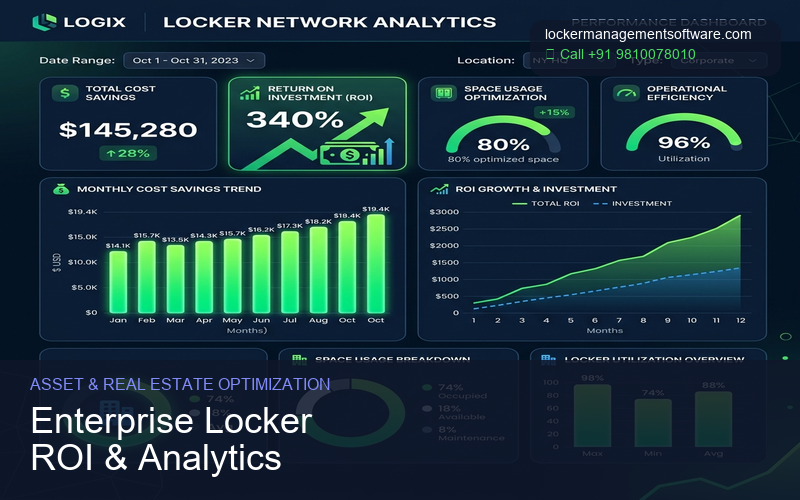
Deploying automated utilities like the **ATS Enterprise Locker platform** drives direct savings across labor, asset procurement, space optimization, and risk management. Let's analyze the core ROI pillars of automated allocation platforms.
1. Reclaiming "Ghost" Locker Capital (Asset Procurement Savings)
The largest source of cost leakage in manual operations is locker leakage—where lockers remain allocated to departed employees for months due to synchronization delays. In an organization with 10,000 lockers, a standard 8% annual employee turnover rate can lead to hundreds of lockers sitting empty but marked as "occupied." Facilities teams often procure new locker banks to resolve shortages when ample stock is actually sitting idle.
The Financial Return: By natively linking de-allocations to your HRMS (Workday), departed employee locker records are discharged instantly. Reclaiming these hundreds of "ghost" locker boxes back into the vacant pool resolves artificial shortages, eliminating additional cabinet procurement capital and optimizing existing locker investments.
2. Reducing Facilities Administration Labor (Direct Operational Savings)
Manual locker administration requires high labor costs. Facilities personnel spend hours handling emails, auditing cabinet banks, updating spreadsheets, managing physical logbooks, and coordinating repair tickets manually.
The Financial Return: Transitioning to automated workflows, self-serve locker allocations, and QR-based ticketing cuts administrative workloads by up to 85%. Administrative coordinators are freed up to focus on high-priority facility tasks, driving direct, recurring operational labor savings every month.
3. Minimizing Real Estate Costs (Space Optimization)
In modern high-density offices, floor space is premium. Standard manual spreadsheet registers cannot easily calculate space-occupancy rates by locker zones, leading to some locker banks being overcrowded while others sit empty.
The Financial Return: Real-time dynamic heatmaps and occupancy analytics allow managers to identify low-utilization zones. Lockers can be consolidated, freeing up valuable physical square-footage for productive office workstations or collaborative breakout areas, directly reducing corporate real-estate overheads.
4. Eliminating Physical Compliance Audit Expenses (Risk Reduction)
For research campuses, financial institutions, or security-sensitive centers, running periodic manual checks to verify locker credentials and audit physical keys requires high manpower and weeks of manual record reviews.
The Financial Return: The automated locker database maintains a perfect, real-time, compliance-ready digital registry. Run comprehensive, 100% accurate audits and access history reports in 1-click. This assures immediate audit readiness, eliminates third-party compliance consulting fees, and completely avoids data breach risks.
In conclusion, automated locker management platforms pay for themselves rapidly. Reclaiming empty assets, optimizing corporate space, reducing admin labor, and securing the facility perimeter provides chief operations and financial officers with a strong, highly compelling financial case to transition from spreadsheets to automation.
Secure & Streamline Your Corporate Lockers Today
ATS offers the premier Cloud-Based, HR-Integrated Enterprise Locker Management System designed for corporate facilities, campus operations, and large workforces.
Request Enterprise Proposal 📞 Call +91 9810078010